Categoria: s.c.

  • Babà napoletani in… sifone

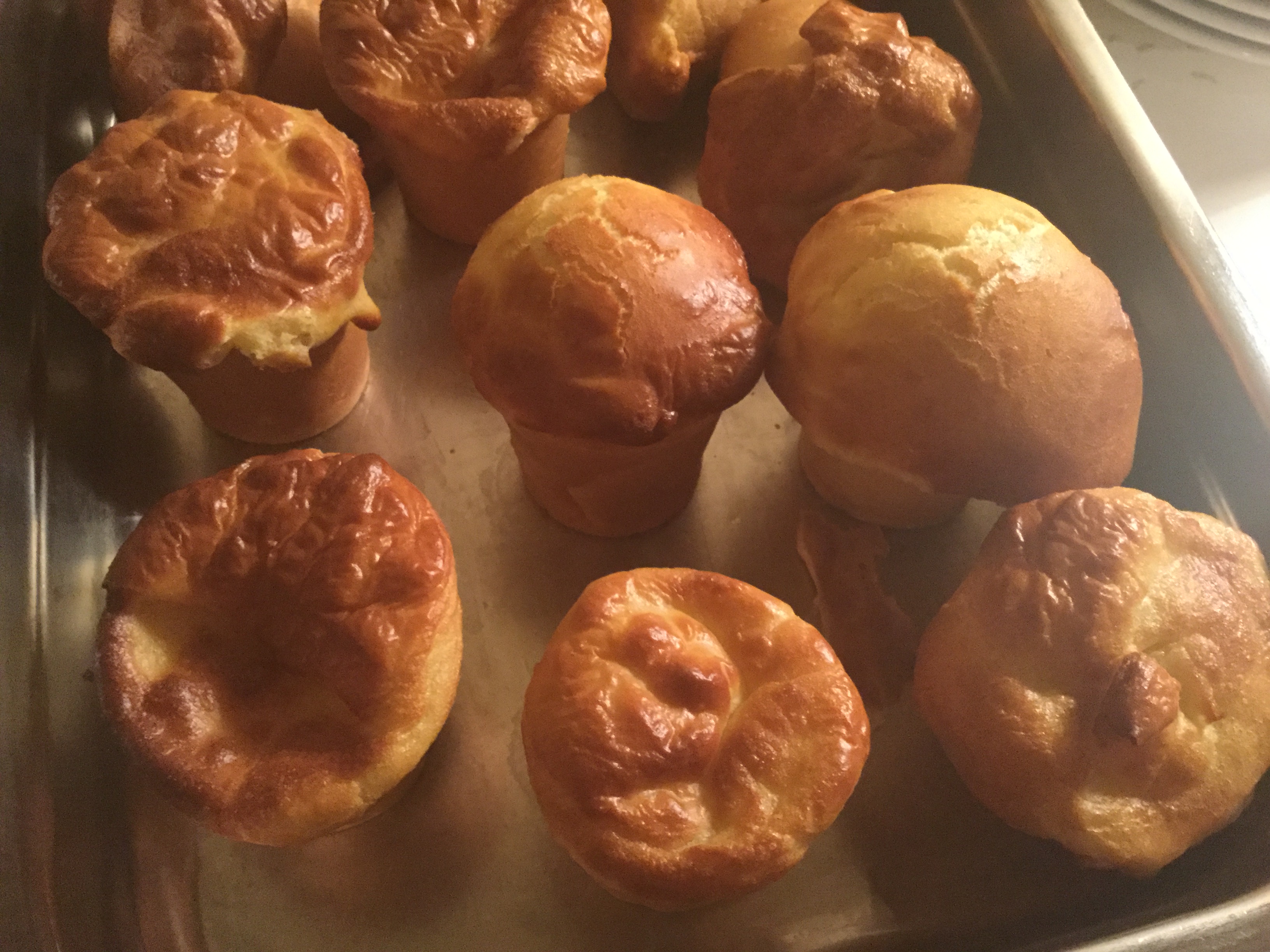
    LA MIA AMICA SERENA mi ha garbatamente brontolato per la versione in inglese delle mie recenti esperienze in cucina. Allora, per farmi temporaneamente perdonare – Sere scusa, ma ne scriverò altri di post in inglese, perché gli amici anglofoni si lamentano per quelli in italiano – per farmi perdonare, dicevo, ho scelto la ricetta dei napoletanissimi babà, ma fatti nel sifone. L’idea non è mia, ma della chef che ho conosciuto durante una lezione a Eataly, Ginevra D’Alessandro, che quando si parla di cucina partenopea gioca in casa e quindi sa davvero bene quello che fa e che insegna.

    Il bello dell’uso del sifone, il prossimo oggetto del desiderio che finirà nella mia attrezzatura da cucina, è che accorcia drasticamente i tempi di preparazione dei babà, dolci squisiti ma piuttosto lunghi nella lievitazione per essere fatti come si deve.

    Chef D’Alessandro consiglia queste grammature per quindici deliziosi babà.
    5CC9004A-426F-4B47-8AE3-EC497EF6A54D

    380 grammi di farina 00

    343 grammi di zucchero

    133 grammi di burro morbido

    9 uova

    12 grammi di sale

    150 grammi di Rum

    2 grammi di lievito di birra fresco

    5 grammi di buccia di limone

    750 grammi di acqua

    scorza d’arancia (q.b.)

    2 cariche di soda

    1 sifone

    stampini per babà

    LE GRAMMATURE non sono mai state il mio forte, quindi di queste potete fidarvi perché non sono mie! Per preparare i babà, e buona parte dei dolci, avere una planetaria aiuta ma anche le capienti zuppiere in acciaio dell’Ikea possono funzionare allo scopo di impastare 4 uova, lo zucchero, il sale e le zeste di limone a cui poi aggiungere il lievito sciolto in poca acqua tiepida. Una volta amalgamato il tutto per benino, si aggiungono la farina e metà del burro, si amalgama di nuovo per bene e si aggiungono ancora il resto del burro morbido e le uova.

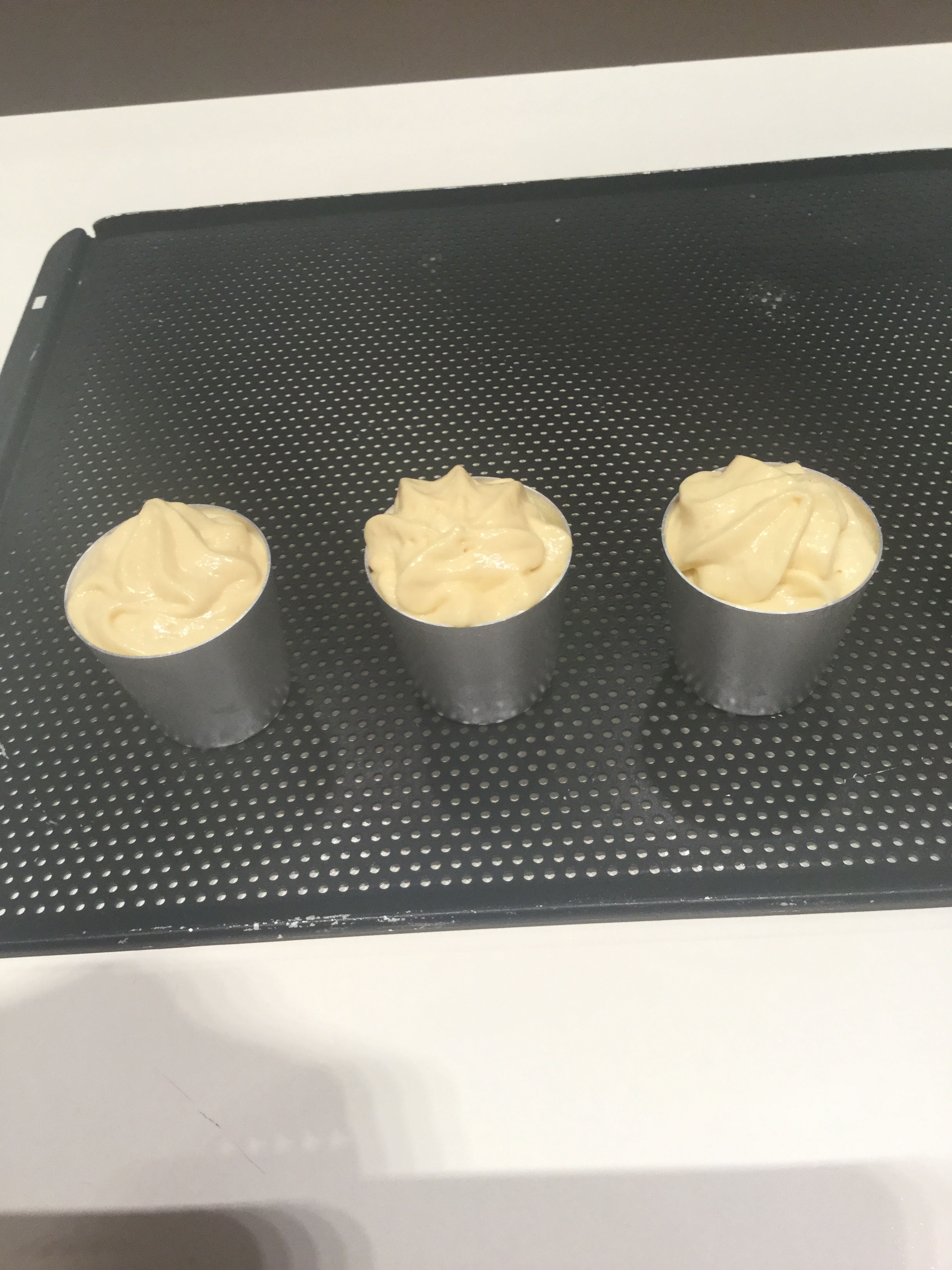
    L’IMPASTO  è pronto per essere messo nel sifone caricato, dove resterà a riposare per 6 ore a 25 gradi di temperatura. Passate le 6 ore, si imburrano gli stampini e si riempiono con l’impasto per poi metterli in forno preriscaldato a 180 gradi per dieci minuti.
    6B52B500-B7F6-4831-B2D3-9427573153FF

    Mentre i babà cuociono, si prepara la bagna al Rum. In una pentola si mettono l’acqua, lo zucchero e il Rum e si porta a ebollizione, si aggiunge la scorza d’arancia e si fa sobbollire per 10 minuti. Poi si spenge e si lascia intiepidire, quindi si immergono i babà sfornati nella bagna per un paio di secondi, si fanno scolare e poi si tagliano a metà decorandoli con panna montata e frutta fresca.

    Noi avevamo i lamponi e ci abbiamo messo quelli. E li abbiamo anche fatti a fette perché ci piaceva destrutturare un po’ un grande classico…

    A66DF728-3715-47AB-B05A-3D9A86567ABA


    Sere, spero ti piacciano 🙂


  • Tortelloni pasta with chickpeas flour

    A class with Shamira Gatta


    I OFTEN DREAMT to make pasta with flours that were not of wheat or traditional grains and the class of chef and food blogger Shamira Gatta was the answer to the quest. She is a real master chef and watching her make pasta out of peas and chickpeas flours was an experience I recommend. The results, by the way, were remarkable too. A few tricks I learned, along with the pleasure to see a professional at work, were that you can make fresh spaghetti, penne and maccheroni or ravioli basically out of any type of legumes that you can first dry and then grind into flour. The second trick I recollected is that the dough, no matter what you use to make it, must rest before you work on it. The more, the better. It will be more elastic and managing it into becoming your favorite kind of pasta will be much easier .


    THE MENU we had to be confronted with was composed of peas flour tagliatelle, chickpeas flour ravioli filled with potatoes and saffron and cream puffs made of chestnuts flour and filled with ricotta cheese and dark chocolate. A bit of sweet at the end of a hard working class is always to be appreciated…

    To make the pasta, Shamira used a machine that is quite common in Italian kitchens, but the quantities I report down here are good even if you want to do it in the traditional way: by hand.

    INGREDIENTS (4 persons)

    Ravioli stuffed with potatoes and saffron

    200 grams chickpeas flour

    1 pinch of salt

    2 yolks

    2 tablespoons of extra virgin  olive oil

    water as needed

    For the filling

    200 grams of potatoes

    1 pinch of salt

    extra virgin olive oil as needed

    black pepper ground at the moment

    saffron


    MIX the chickpeas flour, the egg yolks, the salt, the evo oil and work the dough adding warm water until you have a hard dough, not a sticky one. Let it rest covered in the fridge for 20 minutes.

    Meanwhile boil the potatoes, peal them and mash them in a large bowl. Add the salt, the oil, the black pepper and the saffron and  mix carefully. Let it rest.

    Take the dough out of the fridge and roll out the pastry until it’s quite thin. Cut the pastry in squares of a 5 cm length. Put a teaspoon of filling in each square, fold the pastry over the filling and seal it.

    You can easily do this brushing the external side of the pastry with a tiny bit of water before putting the filling on the center.

    Put a big pot full of salted water (lightly salted, not really salted) to boil and when the water is babbling drop the ravioli. They will cook in a minute or two (maximum). To drain the ravioli, use a skimmer.

    Dress the ravioli with your favorite sauce.

    We used a sauce of cod  and fresh parsley.

    Simple. And delicious. 


  • Ho perso la testa

    Stavo armeggiando alla foto della testata e a un certo punto è… sparita. L’ho cercata e cercata e cercata senza trovarla e alla fine  ho pensato che forse, oltre a essere testimonianza del fatto che la blogsfera (e il sistema wordpress) non mi  sono ancora del tutto familiari, era anche un segno del destino che mi diceva che dovevo cambiarla. E così ho fatto.