Blog

  • Babà napoletani in… sifone

    LA MIA AMICA SERENA mi ha garbatamente brontolato per la versione in inglese delle mie recenti esperienze in cucina. Allora, per farmi temporaneamente perdonare – Sere scusa, ma ne scriverò altri di post in inglese, perché gli amici anglofoni si lamentano per quelli in italiano – per farmi perdonare, dicevo, ho scelto la ricetta dei napoletanissimi babà, ma fatti nel sifone. L’idea non è mia, ma della chef che ho conosciuto durante una lezione a Eataly, Ginevra D’Alessandro, che quando si parla di cucina partenopea gioca in casa e quindi sa davvero bene quello che fa e che insegna.

    Il bello dell’uso del sifone, il prossimo oggetto del desiderio che finirà nella mia attrezzatura da cucina, è che accorcia drasticamente i tempi di preparazione dei babà, dolci squisiti ma piuttosto lunghi nella lievitazione per essere fatti come si deve.

    Chef D’Alessandro consiglia queste grammature per quindici deliziosi babà.
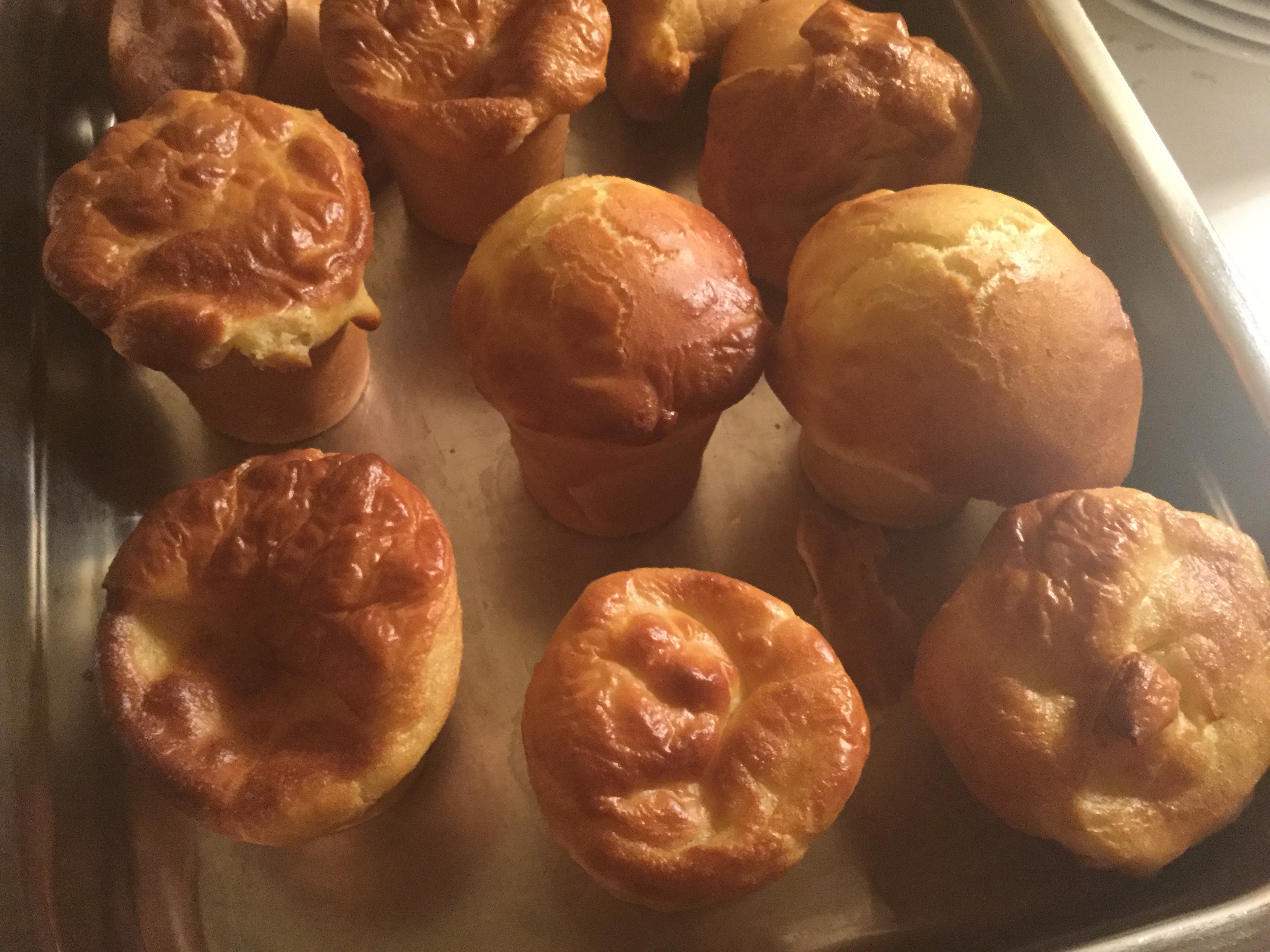
    5CC9004A-426F-4B47-8AE3-EC497EF6A54D

    380 grammi di farina 00

    343 grammi di zucchero

    133 grammi di burro morbido

    9 uova

    12 grammi di sale

    150 grammi di Rum

    2 grammi di lievito di birra fresco

    5 grammi di buccia di limone

    750 grammi di acqua

    scorza d’arancia (q.b.)

    2 cariche di soda

    1 sifone

    stampini per babà

    LE GRAMMATURE non sono mai state il mio forte, quindi di queste potete fidarvi perché non sono mie! Per preparare i babà, e buona parte dei dolci, avere una planetaria aiuta ma anche le capienti zuppiere in acciaio dell’Ikea possono funzionare allo scopo di impastare 4 uova, lo zucchero, il sale e le zeste di limone a cui poi aggiungere il lievito sciolto in poca acqua tiepida. Una volta amalgamato il tutto per benino, si aggiungono la farina e metà del burro, si amalgama di nuovo per bene e si aggiungono ancora il resto del burro morbido e le uova.

    L’IMPASTO  è pronto per essere messo nel sifone caricato, dove resterà a riposare per 6 ore a 25 gradi di temperatura. Passate le 6 ore, si imburrano gli stampini e si riempiono con l’impasto per poi metterli in forno preriscaldato a 180 gradi per dieci minuti.
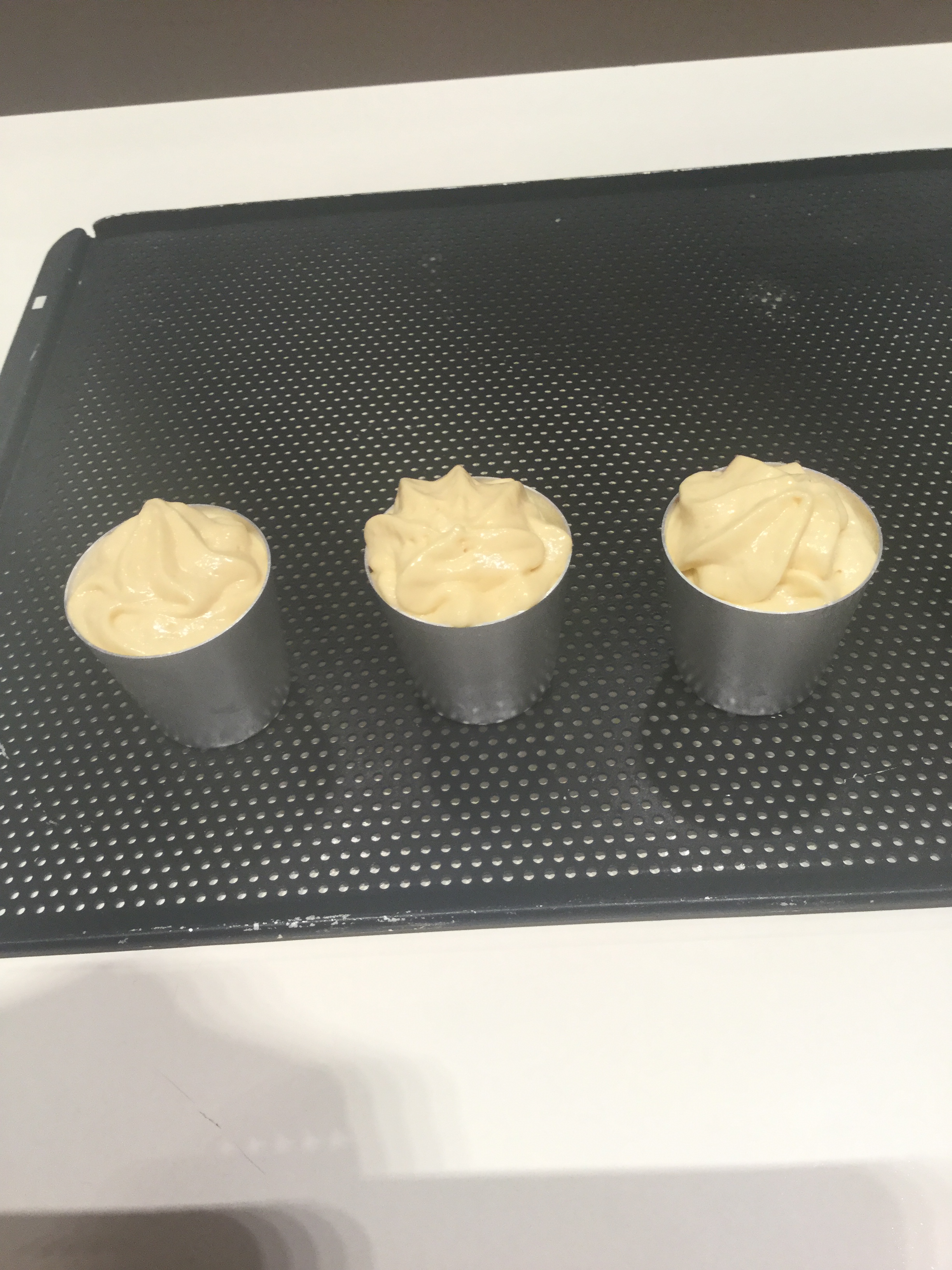
    6B52B500-B7F6-4831-B2D3-9427573153FF

    Mentre i babà cuociono, si prepara la bagna al Rum. In una pentola si mettono l’acqua, lo zucchero e il Rum e si porta a ebollizione, si aggiunge la scorza d’arancia e si fa sobbollire per 10 minuti. Poi si spenge e si lascia intiepidire, quindi si immergono i babà sfornati nella bagna per un paio di secondi, si fanno scolare e poi si tagliano a metà decorandoli con panna montata e frutta fresca.

    Noi avevamo i lamponi e ci abbiamo messo quelli. E li abbiamo anche fatti a fette perché ci piaceva destrutturare un po’ un grande classico…

    A66DF728-3715-47AB-B05A-3D9A86567ABA


    Sere, spero ti piacciano 🙂


  • Tortelloni pasta with chickpeas flour

    A class with Shamira Gatta


    I OFTEN DREAMT to make pasta with flours that were not of wheat or traditional grains and the class of chef and food blogger Shamira Gatta was the answer to the quest. She is a real master chef and watching her make pasta out of peas and chickpeas flours was an experience I recommend. The results, by the way, were remarkable too. A few tricks I learned, along with the pleasure to see a professional at work, were that you can make fresh spaghetti, penne and maccheroni or ravioli basically out of any type of legumes that you can first dry and then grind into flour. The second trick I recollected is that the dough, no matter what you use to make it, must rest before you work on it. The more, the better. It will be more elastic and managing it into becoming your favorite kind of pasta will be much easier .


    THE MENU we had to be confronted with was composed of peas flour tagliatelle, chickpeas flour ravioli filled with potatoes and saffron and cream puffs made of chestnuts flour and filled with ricotta cheese and dark chocolate. A bit of sweet at the end of a hard working class is always to be appreciated…

    To make the pasta, Shamira used a machine that is quite common in Italian kitchens, but the quantities I report down here are good even if you want to do it in the traditional way: by hand.

    INGREDIENTS (4 persons)

    Ravioli stuffed with potatoes and saffron

    200 grams chickpeas flour

    1 pinch of salt

    2 yolks

    2 tablespoons of extra virgin  olive oil

    water as needed

    For the filling

    200 grams of potatoes

    1 pinch of salt

    extra virgin olive oil as needed

    black pepper ground at the moment

    saffron


    MIX the chickpeas flour, the egg yolks, the salt, the evo oil and work the dough adding warm water until you have a hard dough, not a sticky one. Let it rest covered in the fridge for 20 minutes.

    Meanwhile boil the potatoes, peal them and mash them in a large bowl. Add the salt, the oil, the black pepper and the saffron and  mix carefully. Let it rest.

    Take the dough out of the fridge and roll out the pastry until it’s quite thin. Cut the pastry in squares of a 5 cm length. Put a teaspoon of filling in each square, fold the pastry over the filling and seal it.

    You can easily do this brushing the external side of the pastry with a tiny bit of water before putting the filling on the center.

    Put a big pot full of salted water (lightly salted, not really salted) to boil and when the water is babbling drop the ravioli. They will cook in a minute or two (maximum). To drain the ravioli, use a skimmer.

    Dress the ravioli with your favorite sauce.

    We used a sauce of cod  and fresh parsley.

    Simple. And delicious. 


  • Eat, learn, buy

    8e4e9e02-7d1a-4e2c-b07a-5c5623cfbdb6.jpegEAT, LEARN, BUY.  This is the “mantra” Eataly  in Florence seems to have adopted and I decided to test.

    For the “Eat” part, everything had been set a long time ago. I like good food. I like eating with friends, family, I like eating even by myself.

    Which is an interesting experience, though not so much fun.

    I like reading and talking and learning about food. I buy books, tools, raw materials whenever I can or feel in the mood.

    So even the “Buy” part is more or less established.

    The “Learn” part is a different story. I decided to re-open this chapter (I took a few cooking classes so far, but nothing new since last year)  going to a a cooking class Eataly has listed in its 2019 calendar.

    “Tricks of contemporary cusine” was the one I attended, led by  impressive chef Ginevra D’Alessandro. She has talent and passion. A compelling pair when you deal with pots and pans. She taught us how to make amuse bouche using spicy gorgonzola covered with a jelly tangerine coat. It was really contemporary cusine, but I loved the result. And the taste.

    Curious of how to make it?

    It is really simple. Take a portion of spicy gorgonzola – I presume that with sweet gorgonzola the flavor won’t change dramatically – put  it in a small basin and let warm at room temperature then add some cream and the grated peels of six ORGANIC tangerines and mix together. Once you have a smoother mix, use your hands to make some small balls with the mixed cheese and put them to cool in the fridge for 20 minutes. Remove the cheese balls from the fridge, skewer and dive them one by one into the jelly you made with the tangerine juice. Do it before the jelly solidifies, or they will get lumpy.

    Put each one in a saucer, top it with a basel bud to simulate a tangerine leaf and enjoy

    They will look great and taste intriguing. I thought they are really good, but that is just my personal taste.

    HERE  are the quantities for 10  tangerines of cheese

    spicy Gorgonzola: 200 grams

    cream cheese: 250 grams

    organic tangerines: 10

    kappa jelly, as needed

    sugar, as needed

    TO MAKE the tangerine jelly: put the juice of the 10 tangerines in a pot, add a spoon of sugar and some kappa jelly as well. Make it boil then let it simmer for 5 minutes. Remove the pot from the fire and let cool the jelly, but not too much, before putting the cheese balls into it .

    THE CLASS with chef Ginevra D’Alessandro was, as I wrote, really a good one. She taught us also how to make ‘Babà’ cake using the soda siphon and delicious potato ‘gnocchi’ with an unusual tomato sauce.

    But that is another story.

  • Cosa c’è nel forno di Taste?

    L’EDIZIONE 2019  di “Taste” è nel suo pieno fragore. O fulgore? Dipende sempre dai punti di vista, ma certo è che la manifestazione legata ai prodotti di eccellenza dell’agroalimentare italiano in particolare e internazionale in genere ha ormai affermato la sua posizione di punta nel panorama delle fiere del Food & Beverage. La Stazione Leopolda a Firenze, da sempre luogo deputato per lo svolgimento di Taste (il Fuori di Taste coinvolge tutta la città ma è, appunto, ‘fuori di Taste’) quest’anno profuma di pane. L’arte bianca, infatti, domina nei laboratori, nei dibattiti e anche nella scelta delle vetrine nella libreria che viene allestita dento Taste.

    3E97239A-021F-4F46-9D3E-3FFF3B44134A

    L’appuntamento da non perdere, per me, è il Ring di oggi alle 16.30 quando Massimo Bottura e Massimiliano Alajmo racconteranno, insieme a David Paolini che li intervisterà, le loro esperienze nella cucina come evento solidale.

    Una conferma, se ce ne fosse bisogno, di come la cucina, anche quella stellata, abbia smesso di essere un luogo chiuso al resto del mondo e si faccia oggi portatrice di un messaggio sempre più urgente: il cibo è un diritto universale e lo spreco di cibo è una realtà che deve essere cancellata.

    Massimo Bottura racconterà il progetto “Refettorio Ambrosiano per EXPO Milano 2015”, poi esportato a Londra, Parigi, Rio de Janeiro,  con cui è stato fondato un luogo di accoglienza e ristoro per persone in difficoltà recuperando circa 15 tonnellate di eccedenze alimentari. Massimiliano Alajmo, invece, spiegherà i principi di  “Gusto per la Ricerca”, evento che riunisce eccellenze gastronomiche per raccogliere fondi destinati alla ricerca scientifica sulle neoplasie infantili e alle strutture di sussistenza rivolte all’infanzia.

    8020F0BB-8781-4E02-9CAD-91AC0F4F75B3

    Come scrive e pratica nel suo ristorante in California Alice Waters, l’atto di mangiare, e prima ancora di preparare il cibo, è un atto politico e noi possiamo (e forse dobbiamo, visti i tempi) farci promotori di una rivoluzione deliziosa, che parte dalle nostre tavole e dalla nostra cucina per riportare equilibrio nell’ambiente e nelle nostre vite.

    Ci vediamo a Taste.

    p.s. Il sipario sulla manifestazione cala domani sera. Firenze sarà la capitale del gusto ancora per un giorno.

  • Dietro le quinte a Eataly

    STARE  dietro le quinte è un’esperienza che consiglio a tutti. Che si tratti delle riprese di un film, uno spettacolo a teatro, un balletto, la recita scolastica delle creature o, visto il periodo, la Notte degli Oscar non cambia la sostanza: si provano emozioni altrimenti inavvicinabili e si sperimenta come gli esseri umani abbiano capacità di reazione sorprendenti quando hanno un palcoscenico che li aspetta.

    Anche la cucina di un ristorante, quando le porte sono aperte e i clienti seduti, funziona come il backstage. L’adrenalina è alta e la concentrazione pure.

    A guardare certi show televisivi viene da pensare che siano posti infernali, con gli chef che urlano per ogni sciocchezza e hanno lo stesso autocontrollo di un coniglio ubriaco. La realtà, fortunatamente, si avvicina piú alla “Prova del Cuoco” che a “Hell’s kitchens “.

    La mia recente esperienza da osservatrice con diritto di parola (e di assaggio) nella cucina del ristorante di Eataly a Firenze é stata la conferma di come l’organizzazione e la pulizia siano fondamentali per far funzionare una squadra che prepara fino a 500 coperti al giorno. Per non parlare della preparazione – possiamo anche chiamarla bravura, perché quello é – dello chef e dei suoi secondi. Che dire? Mi sono sentita piccola piccola  scoprendo la mole di tutto quello che ancora non so delle tecniche di cucina, ma entusiasta di quello che ho visto e imparato. E mangiato.

    LO SAPEVATE  che quando si fa mantecare la pasta prima di servirla se la girate in senso orario e antiorario prende meglio il condimento? Sembra una sciocchezza, ma contribuisce a fare la differenza.

    Il piatto più buono che ho assaggiato? La vera prova del cuoco, nel suo essere un grande classico che richiede esecuzione e materie prime impeccabili: spaghetti al pomodoro e basilico. Gli spaghetti erano superbi  e Il pomodoro una poesia, senza aggiunta di niente, solo un filo di olio evo dopo averlo impiattato e qualche foglia di basilico fresco. Risultato memorabile.

    E visto che eravamo in tema di bontá, chef Gianluca Bruno mi ha fatto assaggiare anche la versione con la burrata.

    Siamo davvero il Paese col cibo più incredibile del mondo.